Tiger Face Jungle Wild Sublimation PNG: A Designer’s Embroidery Test
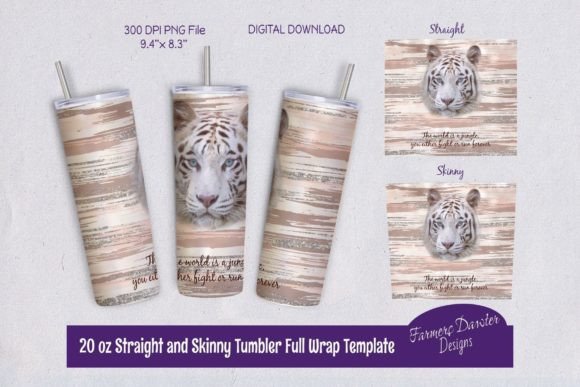
When I first opened the Tiger Face Jungle Wild Sublimation PNG, I wasn’t thinking about tumblers. The file is marketed as a wrap template for a 20 oz straight skinny tumbler, but my eyes went straight to the graphic itself—a bold, untamed tiger face surrounded by sketchy jungle foliage. As an embroidery designer who builds physical products for craft fairs and Etsy shops, I immediately saw something bigger: a statement design that could jump from a digital file to a stitched, tactile masterpiece. The world might be a jungle, but this design brings order to that wildness in a way that resonates with makers who love animal motifs, nature-inspired apparel, and personalized gifts that feel both rugged and artful.
The instant download delivery gives you one design in two digital files, including a high‑resolution PNG. That high‑res asset is a gift for anyone who needs to scale or digitize the artwork without losing the crisp scratches and fine fur details. Still, evaluating a Graphics file for embroidery means looking past the screen and imagining how it breathes on fabric, thread, and stabilizer. So I spent a morning mentally test‑stitching this tiger face onto a canvas tote bag I’ve been prototyping for a client’s boutique line, and the results—both promising and cautionary—are worth sharing.
The First Impression: Raw, Stylish, and Surprisingly Versatile
The tiger’s expression is the hook. It’s not cute or cartoonish; it’s direct, with symmetrical eyes that hold a quiet intensity. The surrounding jungle elements—leafy tendrils, tiny dots, and abstract linework—frame the face without overcrowding it. This balance is crucial for an embroidery design because you need enough negative space for the fabric to breathe and for the stitching to feel considered, not chaotic. The mood sits somewhere between streetwear edge and bohemian nature lover, which means it can slide into a distressed denim cap as easily as a linen kitchen towel or a baby’s organic cotton onesie if you tweak the thread palette.
I could already picture this tiger face on a slate‑gray sweatshirt, the background filled with a soft satin stitch in charcoal, while the tiger’s stripes held a golden‑khaki and warm ochre running stitch. The design’s personality is confident but not aggressive, which makes it a smart pick for a handmade product that needs to sell across genders and ages. For a craft business owner, that kind of broad appeal is a quiet goldmine.
The Line Work and Contrast
The tiger face is built with bold outlines and plenty of internal texture. From an embroidery perspective, those outlines lend themselves beautifully to a clean satin stitch or a dense running stitch that mimics a hand‑drawn pen line. The stripes and whisker dots are defined enough to digitize as small fill areas without turning into a muddy mess, provided you don’t shrink the design below a 4‑inch width. The high‑resolution file means you can zoom in and inspect these details before committing to a stitch plan, which is an underrated advantage of working with a digital embroidery file sourced from a well‑prepared graphic.
Jungle Motifs and Texture
The surrounding leaves and abstract shapes aren’t just decorative filler. They add a layer of storytelling that makes the design feel complete. In a machine embroidery design, you could separate the tiger face and the jungle elements into different color blocks, or even use an applique design approach for the leaves to introduce fabric texture. A deep green linen appliqué for the foliage, paired with the tiger’s golden thread face, would create a multi‑dimensional look that’s impossible to ignore on a pillow cover or a quilted blanket.
Custom Apparel: Sweatshirts and Jackets
The most obvious home for this design is custom apparel. I’d stitch it large on the back of a unisex crewneck sweatshirt, using a medium‑weight cutaway stabilizer to handle the stretch. The tiger’s symmetrical layout also makes it a strong candidate for a chest‑sized embroidery on a denim jacket or a flannel shirt. Because the design is a digital PNG, you can easily create a printable mockup to show customers how it looks on different garment colors before you ever thread a needle. That alone can boost buyer confidence in your Etsy seller listings.
Tote Bags and Accessories
A canvas tote becomes a walking piece of art with this graphic. The structured shape of the tiger face fits nicely within a 6x10 hoop, and the tote bag design can be enhanced with a dense fill stitch for the background, giving the bag a premium, almost leather‑like stiffness. I’ve also seen similar animal prints work exceptionally well on zipper pouches and makeup bags for boutiques, especially when paired with a jungle‑green zipper and a matching wristlet.
Nursery Decor and Baby Items
I know what you’re thinking: a tiger face for a nursery? But tone down the color palette to soft blush, sand, and sage, and this design becomes a gentle wildlife accent for a crib sheet, a baby blanket, or a framed hoop art piece. The baby embroidery market loves animals, and the outlined style of the tiger face feels whimsical without being overwhelming. Just remember to use a soft, no‑itch backing and avoid heavy stitch density on sensitive fabrics.
Small Hoop Sizes and Detail Loss
If you try to cram this design into a 4x4 hoop, you’ll lose the delicate whisker dots and the fine leaf veins. The tiger face relies on those tiny strokes to read as a tiger, not a generic blob. I recommend a minimum width of 4.5 inches, and even then, do a test stitch on a piece of quilting cotton to see if the thread stitch density holds up. Anything smaller, and you’re better off using the tiger face as a standalone icon, cropping out the jungle elements.
Fabric Choice and Stabilizer
Not every fabric plays nice with a design that has both broad fill areas and thin outlines. On a stretchy T‑shirt, the tiger face may distort if you don’t use a fusible mesh stabilizer and baste the fabric firmly. On textured fabrics like waffle weave or terry cloth, the intricate lines can blur, turning the tiger into a fuzzy suggestion. For those, consider simplifying the design to an applique design where the tiger is a single fabric piece with only the facial features embroidered on top. Also, dark fabric will swallow the low‑contrast areas if you don’t adjust the thread colors; a mockup on black and on white will quickly reveal if you need to add a light underlay or a thicker outline.
Curved Surfaces and Heavy Use
Stitching this on a cap with a curved brim or a small patch meant for daily wear requires extra thought. The tiger’s face is designed to be viewed from the front, so a structured cap with a flat front panel works, but a curved seam can crack the satin stitches. For a caps project, digitize the design with a slight arc and use a softer fill stitch to let the embroidery flex with the headwear. And if you’re making a kitchen towel or apron that will go through the wash constantly, a dense, high‑stitch‑count version might start to feel stiff or even abrade the fabric. A lighter, more open fill stitch with a quality polyester thread will age better.
Test Stitch on Scrap Fabric
I cannot stress this enough: test the design on the exact fabric you plan to sell. A PNG file is a starting point, not a ready‑to‑stitch embroidery file. The digitizing process will determine how the tiger face performs, and a quick sew‑out on a scrap of the same weight and weave will show you if the outlines are too thin, if the fill puckers, or if the thread colors wash out under warm light. Use that test piece to adjust your thread colors and check whether the tiger’s eyes catch the light or disappear into a dark background.
Thread Color Selection
The design’s high‑resolution file gives you a good color reference, but threads don’t translate 1:1 from a screen. For the tiger’s fur, I’d lean on a palette of warm ochre, burnt orange, and a mid‑brown for depth, while the jungle accents can swing from olive to emerald depending on the season. A black‑and‑white printout of the design before you order thread can reveal if the contrast between the tiger’s face and the background is strong enough. If it looks muddy in grayscale, add a subtle outline in a slightly darker shade.
Licensing and Commercial Use
The product is delivered as a Print Templates and Graphics download, and the description mentions an instant download with one design in two digital files. However, there isn’t a clear statement about commercial embroidery rights in the product listing. Before you stitch this tiger onto products you sell—whether through an Etsy shop, a craft fair, or a wholesale order for a boutique—confirm the licensing terms with the seller. Some digital files are meant for personal use or for printed sublimation items only, and extending that to a finished embroidered product might require a separate commercial license. It’s a small step that protects your craft business and your reputation.
The Value of Tiger Face Jungle Wild Sublimation PNG for Your Business
From a buyer’s perspective, a product emblazoned with this tiger face feels intentional and premium. It has the kind of editorial quality that catches the eye in a sea of generic floral and monogram designs. For a small shop product, the tiger face can become a signature piece—a seasonal drop for the holiday season, or a year‑round emblem for a brand built around wilderness and authenticity. It elevates a simple personalized gift into something that tells a story, and that storytelling is what turns a one‑time buyer into a repeat customer.
When I think about the actual embroidery project flow, starting with a high‑resolution PNG like this saves me the time I would have spent sketching or cleaning up a low‑quality scan. I can import it into my digitizing software, scale it, and start mapping the stitch types immediately. The instant download format and the inclusion of a high‑resolution version mean I can mock it up on a digital product photo tonight, secure a client order, and have the embroidery file ready for a test stitch by tomorrow. That speed is a real advantage for an Etsy seller juggling custom requests and seasonal deadlines.
Of course, the design’s true potential unfolds only when you match it with the right fabric, stabilizer, and thread. The tiger face is a team player—it will look spectacular on a structured tote, a heavyweight sweatshirt, or a linen pillow cover, but it will demand your best digitizing skills on a stretchy baby onesie or a curved cap. Treat it as a collaborative design asset, not a static graphic, and you’ll end up with a finished product that feels sharp, soulful, and unmistakably handmade.