Glass Weed Trippy World 20oz Tumbler 2: Designer Review
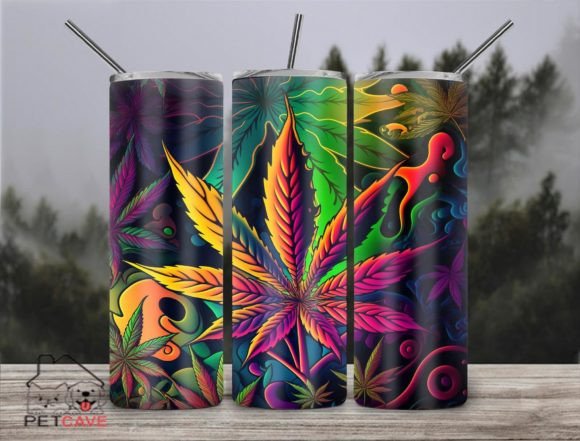
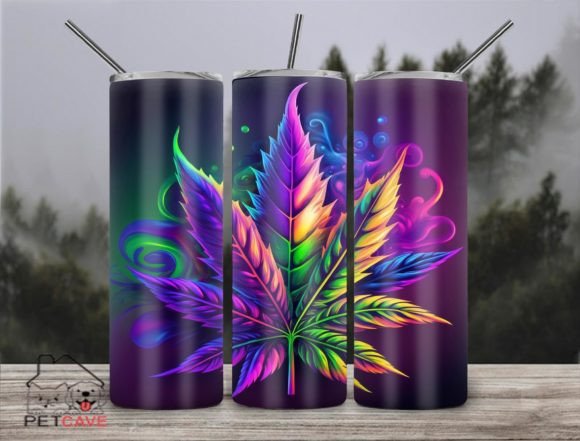
When I first opened the file for Glass Weed Trippy World 20oz Tumbler 2, I immediately saw a design that wants to be stitched on something bold. The psychedelic weed leaf motif, swirling patterns, and saturated trippy color palette create a visual mood that feels equal parts retro and modern. As an embroidery designer who regularly tests digital graphics for real product use, I don’t just look at the artwork — I mentally map every detail to how it will read in thread, on fabric, and inside a customer’s hands. This graphic, originally created as a 20oz tumbler wrap, carries a lot of personality. My job is to figure out whether that personality survives the jump from a high-resolution PNG to a machine embroidery design.
Right away, the composition strikes me as something that would work beautifully on a structured tote bag, a heavy sweatshirt, or even a denim jacket back. The 9.3” x 8.2” dimensions at 300 DPI give plenty of room for embroidery scaling, though anyone planning to stitch this needs to remember that the file is a graphic, not a digitized embroidery file. That means you’ll either need to manually digitize it or use it as a printable mockup for design previews. The straight and tapered versions included in the ZIP suggest the original artist thought about how the image wraps around a curved surface, which is a thoughtful touch for anyone who might adapt it to a cap, a sleeve, or a cylindrical item like a makeup bag.
Visual Personality and Mood of the Design
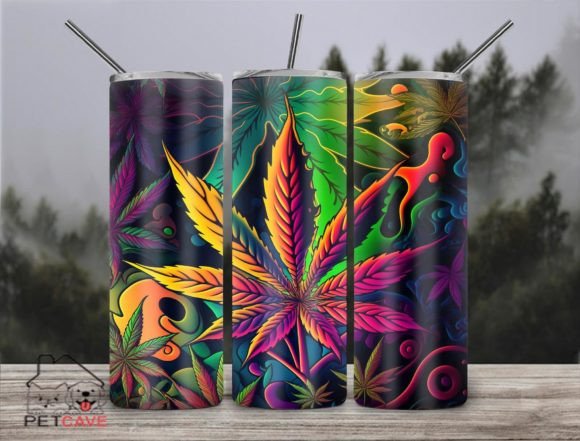
The trippy world theme leans heavily into psychedelic art, with flowing lines, bold contrasts, and a surreal weed leaf centerpiece. It’s not a quiet design. The mood is playful, a little rebellious, and definitely aimed at a customer who appreciates statement pieces. From an embroidery standpoint, the strongest elements are the well-defined outer shapes and the high-contrast areas. The weakest points — and every design has them — are the excessively fine inner details that would simply disappear or become muddled when converted to stitches. Tiny swirls, hair-thin outlines, and intricate psychedelic patterns look amazing in a digital mockup, but on a 4x4 or 5x7 hoop, they turn into thread blobs. I’d want to simplify those areas during digitizing, keeping the overall vibe while editing out the noise.
How This Graphic Translates to Embroidery
When I evaluate a digital graphic for embroidery, I ask three questions: does the main subject read clearly from a distance, will the stitch density feel balanced, and can I adjust the color palette to work with thread spools on hand? Glass Weed Trippy World 20oz Tumbler 2 passes the first test — the weed leaf silhouette is unmistakable. The second test is trickier. The trippy background contains dozens of tiny color shifts and intricate linework. Without careful digitizing, this could become a dense, stiff mess on a garment. I’d lean toward using a combination of satin stitch for the main leaf and fill stitch for the background, but with a reduced stitch count to keep the fabric soft.
Stitch Type Considerations
A satin stitch would give the leaf edges a clean, glossy finish, perfect for a boutique look on a sweatshirt. The swirling background might work better as a light fill stitch or even a running stitch for a sketch-like effect. I’d avoid thick satin fills over large areas because they tend to feel heavy and can pucker lightweight fabrics. The trippy world theme actually lends itself to an applique design approach — you could stitch the main leaf outline onto a psychedelic fabric base, then add decorative accents. That would dramatically cut stitch time and give a lush, layered appearance.
Fabric and Hoop Choices
I’d feel most confident testing this design on a medium-weight canvas tote, a sturdy cotton sweatshirt, or a denim jacket. These fabrics handle moderate stitch density well and won’t sag under the weight of a large embroidery file. Stretchy fabrics, thin t-shirts, or baby clothes would be a much riskier match. The design’s size and detail level demand a stable base. A 5x7 hoop is likely the minimum comfortable size if you want to preserve the trippy world details; anything smaller and you’ll lose the background entirely. Before committing to a final product, I always recommend running a stitch-out on scrap fabric with the same stabilizer setup you plan to use.
Real Project Ideas and Product Fit
I can easily picture this graphic, once digitized, becoming a top-selling item in a craft business or Etsy shop. The aesthetic fits into the festival fashion, alternative lifestyle, and boutique streetwear niches. Recent client conversations have me thinking about how this would look on a personalized gift — a custom embroidered hoodie for a friend who loves psychedelic art, or a bold patch sewn onto a backpack. The trippy theme also works for holiday embroidery if you’re catering to a crowd that prefers something edgier than traditional snowmen and reindeer.
Custom Apparel and Tote Bags
A tote bag design like this becomes an instant conversation piece. Because the original graphic is designed for a tumbler, you get a ready-made composition that centers well on a rectangular bag panel. I’d scale it to fit a 8x8 hoop, reduce the stitch density slightly, and use a cutaway stabilizer to keep the bag structured. For a sweatshirt embroidery, placement matters: center chest or oversized back placement both work, but I’d avoid the left chest area since the fine details would be completely lost at that small size.
Patches and Accessories
An embroidered patch version of this design could be a smart move. Digitize just the weed leaf and a few key trippy swirls, add a merrowed edge, and you’ve got a sew-on or iron-on patch that sells well at craft fairs. The bold shapes translate nicely to a patch form, and the production cost stays low. I’ve seen similar designs succeed on caps, but the curved surface of a hat forces you to simplify the background even more. The tapered PNG version could actually help guide the shape for a cap embroidery layout.
Home Decor and Gift Items
Pillow covers, tea towels, and even a framed embroidery hoop art piece would all be smart uses. A kitchen towel with this design in a single color thread, like a neon green on black fabric, would look crisp and modern. The trippy weed theme isn’t for everyone, but for the right customer, it makes a memorable handmade product. I’ve learned that when a design has a strong niche appeal, it actually builds customer trust — your shop becomes known for carrying the kind of items that specific buyers love.
Practical Embroidery Notes Before You Stitch
I always test a new design asset on scrap fabric first, especially one with this much visual complexity. Here’s my checklist when I’m evaluating a digital file like Glass Weed Trippy World 20oz Tumbler 2 for machine embroidery use:
- Check thread color contrast — Psychedelic palettes rely on high contrast. If you reduce the design to black and white mockup, do the main elements still hold up? That’s a quick way to see if the design will read clearly when stitched.
- Review stitch density — Too many stitches in a small area cause puckering and thread breaks. I’d aim for a balanced fill that breathes.
- Confirm hoop size — The 9.3” x 8.2” graphic is large, but your embroidery field may not be. Plan for scaling and digitizing adjustments.
- Inspect small details — Tiny trippy swirls and thin lines in the original art may need to be thickened or removed. Embroidery isn’t a printer; less is often more.
- Test on light and dark fabric backgrounds — The design’s colors will pop differently. A neon green thread on black fabric looks totally different from the same thread on white.
- Use proper stabilizer — For a design this size, I’d use a medium-weight cutaway stabilizer on apparel and a tear-away for home decor items.
Testing and Digitizing Prep
Since the product listing provides a high-resolution PNG and not a ready-to-stitch embroidery file, you’ll need to either digitize it yourself or hire a digitizer. Before you do, test the graphic in a printable mockup to see how customers might react to the visual. I often run a few mockup variations on different product photos — a tote bag, a crewneck, a patch — and share them with my craft business audience. The response data helps me decide whether to invest time in digitizing. Remember that the ZIP file includes two PNG variations; the straight file makes sense for flat surfaces, while the tapered one might inspire a panel layout on a curved garment like a raglan sleeve.
Color and Contrast
Thread colors will make or break this design. The trippy world aesthetic depends on vibrant, almost neon shades. I’d pull a few thread samples in bright lime, deep purple, hot pink, and electric blue, then run a small stitch test. Dark fabric backgrounds usually make these colors shine, but be careful with very textured fabrics — the intricate lines can get lost in the weave. A smooth fabric, like a polished cotton or a tightly woven twill, gives the crispest result.
Stabilizer and Fabric
I’d avoid using this design on thin, stretchy, or highly textured fabric without reinforcing the area. A sweatshirt with a fleece backing might need a topper to keep the stitches from sinking in. For a dense fill stitch, even a medium-weight fabric can buckle if the stabilizer isn’t adequate. I’ve ruined enough test pieces to know that a few extra minutes of hooping and stabilizing saves hours of frustration.
Selling and Commercial Use
If you’re a small shop owner or Etsy seller, the licensing question is critical. The listing details don’t explicitly state whether the graphic can be used on products for sale, so I’d reach out to the creator before digitizing and selling finished items. Many graphics in the Crafts category are intended for personal use or mockup design assets, but some do allow commercial embroidery. Clarifying this upfront protects your business and builds ethical practices around digital embroidery file usage. Once you have the green light, this design could easily become a staple in a boutique line of custom apparel, tote bags, or embroidered patches.
For a craft fair or holiday gift rush, I’d pre-stitch a few versions on different products to see what moves fastest. The trippy weed theme is niche, but niche products often sell with higher customer engagement because buyers feel seen. A well-executed embroidery project using this graphic could elevate a simple handmade product into a professional-looking, giftable item that people remember.
Final Thoughts
Glass Weed Trippy World 20oz Tumbler 2 is a striking digital design asset that has real potential for machine embroidery, provided you’re willing to put in the digitizing work and make smart fabric choices. The trippy world mood, bold weed leaf silhouette, and psychedelic color story give it a confident personality that stands out in a crowded handmade market. As an embroidery designer, I see it shining on structured tote bags, denim jackets, and statement patches. The fine details need simplification, and the stitch density needs careful control, but the core of the design is strong. Test it, digitize it thoughtfully, and you’ll have a product that resonates with the right customer — and that’s the whole point of turning a graphic into a finished embroidery piece.