3D Cute Heart Tumbler Wrap Designs
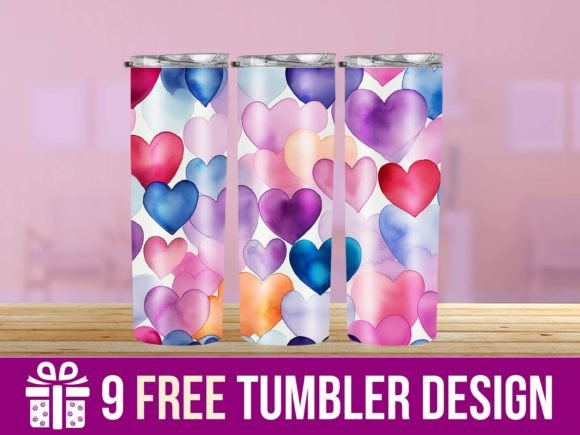
I opened the download expecting a typical tumbler wrap graphic, but what I found was a layout that immediately sparked embroidery project ideas. The file is a 3D Cute Heart Tumbler Wrap Designs PNG, meant to be printed and wrapped around a 20oz skinny straight tumbler. As a digital graphics file, it’s not an embroidery file—so if you’re planning to stitch it, you’ll need to digitize or check if the seller offers machine-ready formats. Still, the visual composition is what matters first. I saw a cascade of dimensional hearts with soft highlights and shadows, arranged to give a full-wrap effect. The mood is cheerful, modern, and undeniably cute. It made me think of boutique baby blankets, Valentine’s tote bags, or a cheerful panel on the back of a denim jacket. The 3D effect feels playful, not gimmicky, and the heart theme is versatile enough for nursery decor, personalized gifts, and even small-shop merchandise.
Before putting it into a hoop, I always consider how a design’s personality translates into thread. The 3D Cute Heart Tumbler Wrap Designs rely on layered shading to create depth. In embroidery, that means satin stitches, subtle fill stitch transitions, or even a combination of appliqué and embroidery. The wrap-around layout suggests a large-scale design, which could be a statement piece on a sweatshirt or a full-coverage tote bag print. But as a stitchable embroidery file, it would need to be reworked—either resized for standard hoops or split into panels. The original PNG is a raster graphic, so the designer would have to trace it or use auto-digitizing with careful manual cleanup. That’s not a dealbreaker, but it’s a practical step I’d budget time for before any client project.
First Impression and Project Fit
The moment I saw the hearts, I could picture them on a cream-colored baby quilt, stitched in soft coral and blush threads. The 3D aspect gives the design a handcrafted premium feel that flat motifs often lack. For a craft business, this design could become a signature element—repeat customers would recognize the dimensional heart style. I imagined a line of linen kitchen towels with the heart motif placed in the corner, or a set of matching pillow covers for a nursery. The full-wrap layout is originally sized for a 20oz tumbler, which means the design is roughly 8.5 inches wide by 9.5 inches tall when unrolled. That’s a substantial embroidery area. Most single-needle machines would need a large hoop or multiple hoopings. If you’re an Etsy seller focusing on custom apparel, this could be a showstopper on the back of a sweatshirt, but you’d need to test the stitch density on fleece because the 3D shading could become stiff or cause puckering on stretchy fabric.
The cute heart theme is inherently giftable. I could see a personalized baby blanket with the child’s name stitched in the center, surrounded by these hearts. The design’s mood is gentle and affectionate, yet the 3D treatment keeps it from looking juvenile. That makes it suitable for a broader customer base—teens, young adults, and even wedding gifts. The shading in the PNG implies a light source from the top left, so the embroidery would need to mimic that with thread color gradations. That’s a nuance that can elevate a finished product from “homemade” to “boutique.”
Real Embroidery Performance and Stitch Considerations
If I were to digitize this design, I’d first map out the heart shapes. The 3D effect relies on highlights and shadows, which in embroidery would be achieved with a few thread colors and careful stitch angles. For the main hearts, a satin stitch border with a tighter fill stitch inside would work, but I’d avoid dense filled areas on thin fabrics. The original PNG has some small highlight spots—those would need to be at least 1mm to stitch cleanly, else they’d turn into messy dots. I’d simplify the smallest details or convert them to a single running stitch accent. The overall design, if digitized at full size, could have a stitch count well over 20,000, so it’s important to check the file’s stitch density before use. I always run a test on scrap fabric that matches the final project’s texture and weight.
Thread color selection is critical for the 3D illusion. I’d pull a few shades of pink, a soft white for highlights, and a deeper berry or even a muted gray for shadows. The contrast must be visible but not harsh. On dark fabrics, the hearts might lose their pop unless you use a light underlay or a white base layer. I’d test the design on a black sweatshirt and a natural linen tote, comparing how the 3D effect reads. Stabilizer choice is equally important—for a garment, a cutaway stabilizer is non-negotiable to prevent shifting. On a tote bag, a tear-away might suffice if the design isn’t too dense. The hearts are rounded, so there’s no thread to clip, which is a plus for smooth production.
Where the Design Shines and Where It Needs Extra Care
This design is a natural fit for tote bags, canvas pouches, and wall hangings. The full-wrap aesthetic can be adapted to a horizontal band across a shirt or a vertical panel on an apron. I’d avoid using it on very small hoop sizes unless you scale it down significantly, but then the 3D details might blur. For caps, the full wrap is impractical—you’d pick a small cluster of hearts and isolate them. On textured fabrics like terry cloth or fleece, the dimensional effect might get lost, so I’d stick to smooth, tight-weave cottons or linens. Baby items, in particular, would benefit from the softness of the design, but you must ensure the embroidery back is smooth and free of scratchy jumps.
Given the design’s origin as a tumbler wrap, the layout is a continuous pattern. That’s great for a wrap-around embroidery on a sleeve or a belt, but for standard flat projects, you’ll need to crop or position the best part. I’d select the section with the most pronounced 3D heart cluster and use that as the focal point. The PNG file is a flat graphic, so you can preview it in your embroidery software by importing the image and scaling it. That’s a useful step to see how the design behaves on different fabric colors. I often do a black-and-white mockup to check the value contrast—if the design looks muddy in grayscale, it will struggle on mid-tone fabrics.
Practical Designer Notes for Embroidery Use
Before you start stitching, keep these practical points in mind:
- This is a digital download PNG, not an embroidery file. You will need to digitize it yourself or use a service to convert it into a stitchable format like PES, DST, or EXP. Confirm with the seller whether embroidery formats are available.
- Test the digitized design on scrap fabric first. Check for thread breaks, puckering, and registration. The 3D effect can misalign if the fabric shifts, so use a basting stitch or adhesive stabilizer.
- Review stitch density: the original graphic has many small highlights; those may need to be enlarged or removed to avoid tiny, dense stitches that perforate the fabric.
- Choose thread colors with a clear tonal range. A soft pastel palette works beautifully for nursery items, while bold primaries can make a statement on a denim jacket.
- Check hoop size requirements. The full wrap is large; if you’re using a 5x7 hoop, you’ll need to split the design into multiple sections or significantly reduce the size, which may lose the 3D nuance.
- For commercial use, verify the license. The PNG likely comes with a personal or limited commercial license for printed goods. If you plan to sell embroidered products or the digitized embroidery file, you must ensure the license allows derivative works and resale.
- Always test on light and dark fabrics. The 3D shading can look completely different on a black background. A light underlay or a white base stitch may be necessary to make the hearts pop.
Customer Perception and Giftability
When I think about what a customer sees, the 3D Cute Heart Tumbler Wrap Designs deliver instant recognition. Hearts are universally loved, and the dimensional touch makes the product feel more expensive. A hand-embroidered tote bag with this design would catch eyes at a craft fair. The buyer would perceive the extra effort behind the 3D effect, trusting that the maker invested time in quality. For personalized gifts, the design can be paired with a name or date in a complementary font, creating a keepsake that feels bespoke. I’ve seen similar motifs sell well on Etsy around Valentine’s Day and for baby shower gifts. The key is presenting the finished product with clear, high-quality photos that show the stitch definition and the 3D texture.
The design’s versatility extends to small shop merchandise. A boutique owner could use it on matching aprons and tea towels, building a cohesive brand look. The cute heart theme is broad enough to span seasons—not just February. A nursery collection with bibs, burp cloths, and a crib sheet border would be charming. And because the original file is a PNG, you can also use it for sublimation prints, then add a coordinating embroidery accent to create a mixed-media product. That hybrid approach is something I’ve been experimenting with, and this design fits the bill perfectly.
Final Verdict: A Cheerful Design with Real Potential
The 3D Cute Heart Tumbler Wrap Designs is a delightful graphic with a strong visual personality. As an embroidery design concept, it requires a bit of extra work to digitize and optimize, but the payoff is a professional, dimensional finish that can elevate any handmade product. I wouldn’t recommend it for beginners who expect a ready-to-stitch file, but experienced embroiderers and craft business owners who are comfortable with digitizing or willing to hire a digitizer will find a lot of creative possibilities. The mood is warm, the layout is generous, and the 3D effect—when translated thoughtfully into thread—will make your finished pieces stand out. Just remember to test thoroughly, control stitch density, and always check the license before selling. With those steps in place, this design could become a staple in your embroidery project library.